










Ahad Shifat

Cyber Security Analyst

Penetration Tester

Bug Bounty Hunter

Web Security Specialist

Web Developer

0

No products in the cart.

Ahad Shifat

Cyber Security Analyst

Penetration Tester

Bug Bounty Hunter

Web Security Specialist

Web Developer

About Me

I am a Professional Cyber Security Consultant, Website Security Expert and Penetration Tester. I have 5+ years experience in the Cyber Security field and fixed many Hacked websites and completed 250+ other projects successfully with many happy clients in various marketplace.


My Expertise:

➤Penetration Testing & Vulnerability Assessment ➤Hacked WordPress Recovery ➤WordPress Malware Removal ➤Website Security ➤SEO Spam Removal ➤Google Blacklist Removal ➤Virus Removal ➤Deceptive Website Recovery and Much more.


I hope you will not be disappointed with my service. My Priorities are Quality Work And Customer Satisfaction.

My Services
Vulnerability Assessment

Detect misconfigurations, unauthorized access points, & security loopholes

Penetration Testing

Uncover security flaws using automated & manual methods

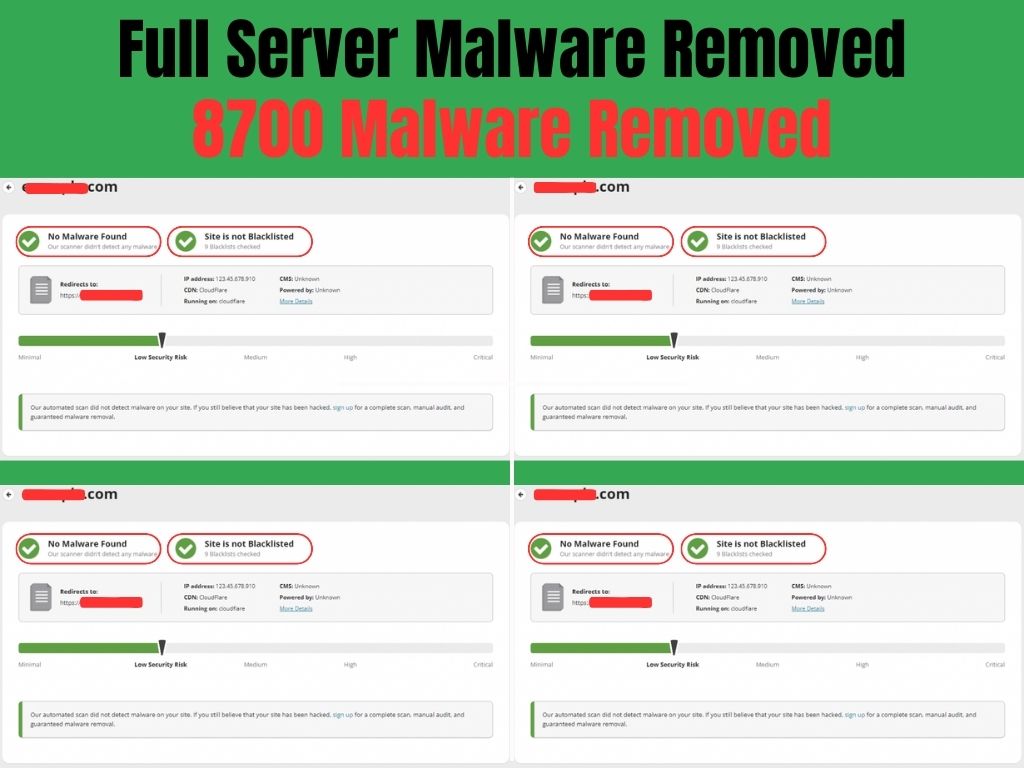
Website Malware Removal

Remove all the malware, rootkits, viruses, spyware, and adware

WordPress Security

Security consultants can check the code and scan for vulnerabilities.

Pricing
Personal Package
$ 29 month
  • Security Scanning
  • Installation & Configuration
  • Patch Management
  • User Management
  • Maintenancenot included
Company Package
$ 59 month
  • Security Scanning
  • Installation & Configuration
  • Patch Management
  • Multi-User Management
  • Maintenance included
Clients
Testimonials
Resume
Experience
Cyber Security Analyst
2022 - Present
Cyber Security Analyst
Rebuilt Lab

Collaborate with Cyber Security and development teams.

Penetration Tester
2024 - Present
Penetration Tester
Bulletproof

Perform vulnerability assessments and provide findings with remediation actions.

Data Analyst
2022 - 2024
Data Analyst
KLDiscovery

I will collect, analyze, interpret, and present data-driven insights to inform business decisions.

Web Developer
2018 - Present
Web Developer
Fiverr

WordPress and WooCommerce Website Design and Development, Wix and Shopify Website Design and Development.

Education
Daffodil International University
2018 - 2022
Daffodil International University
Bangladesh

Bachelor's in Computing and Information System (CIS)

INE Security eWPT (eLearnSecurity Web Application Penetration Tester)
2024
INE Security eWPT (eLearnSecurity Web Application Penetration Tester)
Online Exam
EC-Council Certified Ethical Hacker (CEH) Practical
2024
EC-Council Certified Ethical Hacker (CEH) Practical
Online Exam
Skills
Coding
  • Python
  • Bash
  • PHP
  • MySQL
  • JavaScript
  • CMS - WordPress, Shopify, WIX
Languages
  • English
    90%
  • Bangla
    100%
System
  • Linux
    90%
  • Microsoft
    75%
  • Apache
    85%
  • DNS
    95%
Knowledge
  • Vulnerability Assessment & Penetration Testing (VAPT)
  • WordPress Malware Removal
  • Hacked WordPress Recovery
  • Website Security
  • SEO Spam Removal
  • Google Blacklist Removal
  • Deceptive Website Recovery and Much more
Works
Blog
August 7, 2025 What is SEO Spam? What Kinds of SEO Spam? How to remove SEO spam from website?

✅ What is SEO Spam?

SEO spam, also known as Spamdexing or search engine spam, is a black-hat SEO tactic where hackers or malicious actors inject malicious content into a website to manipulate search engine rankings. This is often done without the site owner’s knowledge and can harm your website’s reputation, rankings, and even get you blacklisted by search engines like Google.


🚨 Common Types of SEO Spam

  1. Keyword Spam / Keyword Stuffing

    • Overloading a webpage with keywords to rank for specific search queries.

  2. Spammy Links

    • Inserting backlinks to low-quality or malicious websites to pass link equity.

  3. Cloaking

    • Showing different content to search engines than what users see.

  4. Pharma Hack

    • Injecting pharmaceutical-related content like Viagra or Cialis to rank on those keywords.

  5. Japanese SEO Spam

    • Creates random Japanese pages with affiliate links or fake store content.

  6. Gibberish Content Spam

    • Injecting nonsensical or auto-generated content with keywords and links.

  7. Malicious Redirects

    • Redirecting users to spammy or malicious websites, usually only on mobile or from search engines.

  8. User-Generated Spam

    • Spam in blog comments, forums, or guestbooks with malicious backlinks.


🛠️ How to Detect and Remove SEO Spam

🔍 Step 1: Detection

  • Use Google Search Console

    • Look for Security Issues or sudden traffic drops.

    • Check the URL inspection tool for unexpected content.

  • Perform Site Search

    • Search: site:yourdomain.com and look for weird or spammy pages.

  • Use Security Scanners

  • Check Your Files and DB

    • Look for unknown scripts in themes, plugins, .htaccess, or JavaScript files.

    • Look in the database for injected links or content.


🧹 Step 2: Removal

  1. Backup Your Website

    • Before doing anything, take a full backup (files + database).

  2. Clean Infected Files

    • Remove or replace infected core files, plugins, or themes.

    • Use tools like MalCare, Wordfence, or Sucuri for automated cleanup.

  3. Remove Spam Pages

    • Delete spammy content from your CMS or directly from the server.

  4. Fix .htaccess or Redirects

    • Restore a clean .htaccess file to remove malicious redirects.

  5. Change Credentials

    • Change all passwords: cPanel, FTP, CMS admin, database.

  6. Update Everything

    • CMS, plugins, themes — all to the latest versions.

  7. Submit to Google

    • Use Google Search Console to request a review if your site was flagged.


🛡️ How to Prevent SEO Spam

  • Keep your CMS, plugins, and themes updated.

  • Use a web application firewall (WAF).

  • Limit plugin use and only install trusted ones.

  • Secure your admin area (strong passwords, 2FA).

  • Regularly scan your site for vulnerabilities.

  • Use security plugins like Wordfence, iThemes Security, or Sucuri.

Get in Touch
Contact Form